Cloud computing is easier to reason about as a collection of design choices: what runs where, how services communicate, where data lives, and how the system is operated. This article connects the core models to Azure compute, networking, storage, integration, and capacity planning.
Cloud foundations
Introduction
| Cloud providers | Market Share | Description |
| AWS | 32% | Offers 200+ services Has the most data centers in 25 locations ensuring low latency |
| Azure | 23% | Deep integration with Microsoft products Good AI integrations Hybrid cloud abilities |
| GCP | 10% | Good Big data abilities provides Tensorflow and AutoML to deploy ML models |
| Salesforce | 4% | Offers 15+ cloud services |
| IBM Cloud | 2% | Has AI and hybrid cloud facilities |
| Digital Ocean | 1.5% | Simple and user friendly good for small businesses |




Cloud computing fundamentals


Service models and security
Cloud computing model
Standard Cloud Model
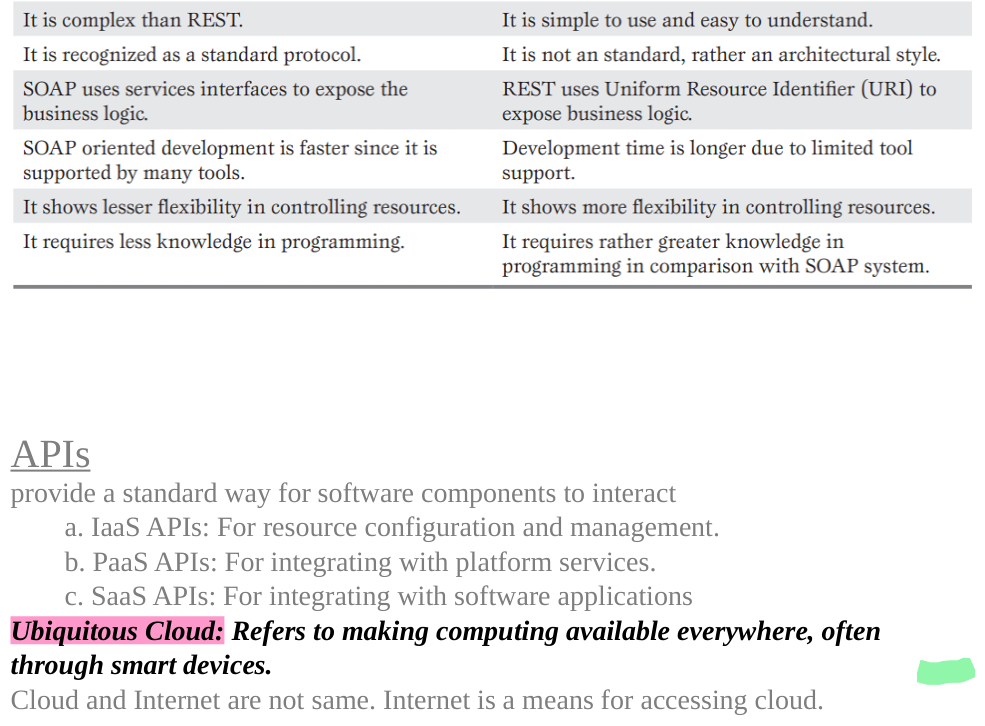
Cloud computing needed a standardized model for consistency and uniformity across the industry.
After research and innovation, cloud computing became commercially available, necessitating a standard model.
Organizations like NIST, ISO, ETSI, and CSA created guidelines and standards for cloud computing.
NIST developed a widely accepted cloud computing model, focusing on on-demand access to shared resources over the internet.
NIST Cloud Model
The NIST Cloud Computing Model, developed by the National Institute of Standards and Technology (NIST) in 2011, is one of the most widely accepted frameworks for understanding cloud computing.


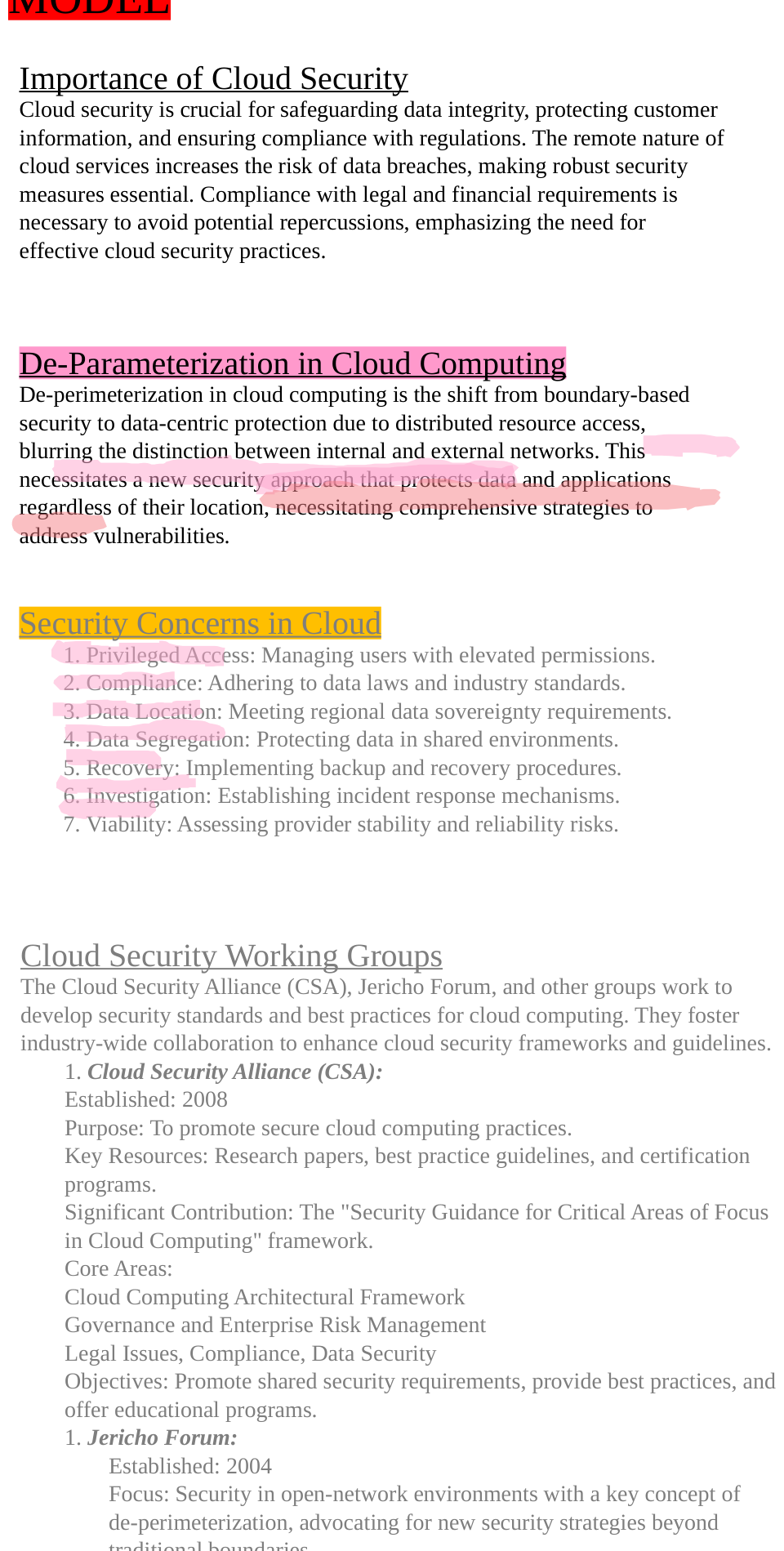




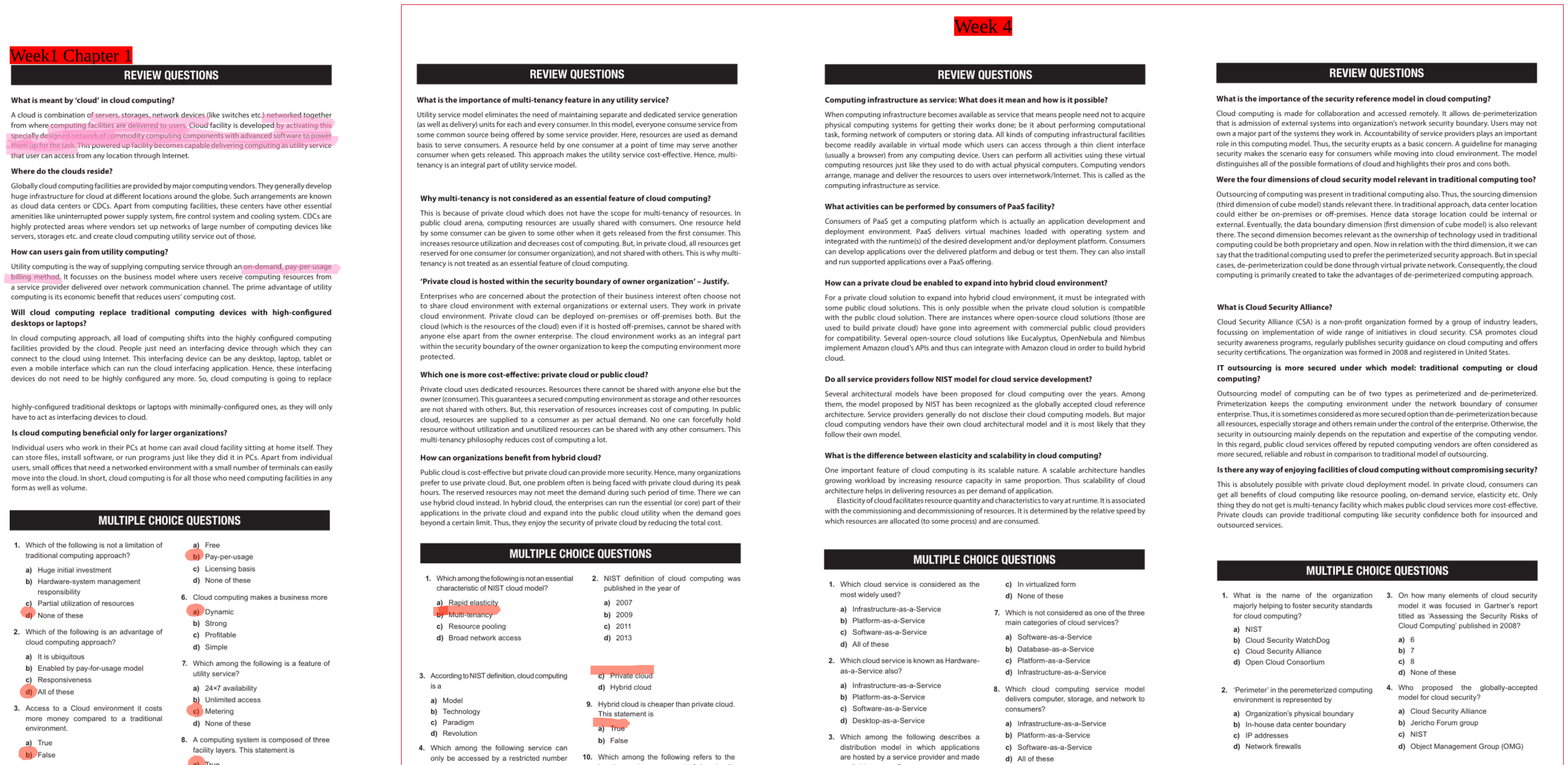


Describe the concept of "de-perimeterization" in cloud computing19. Why is the traditional perimeter-based security approach inadequate for cloud environments?


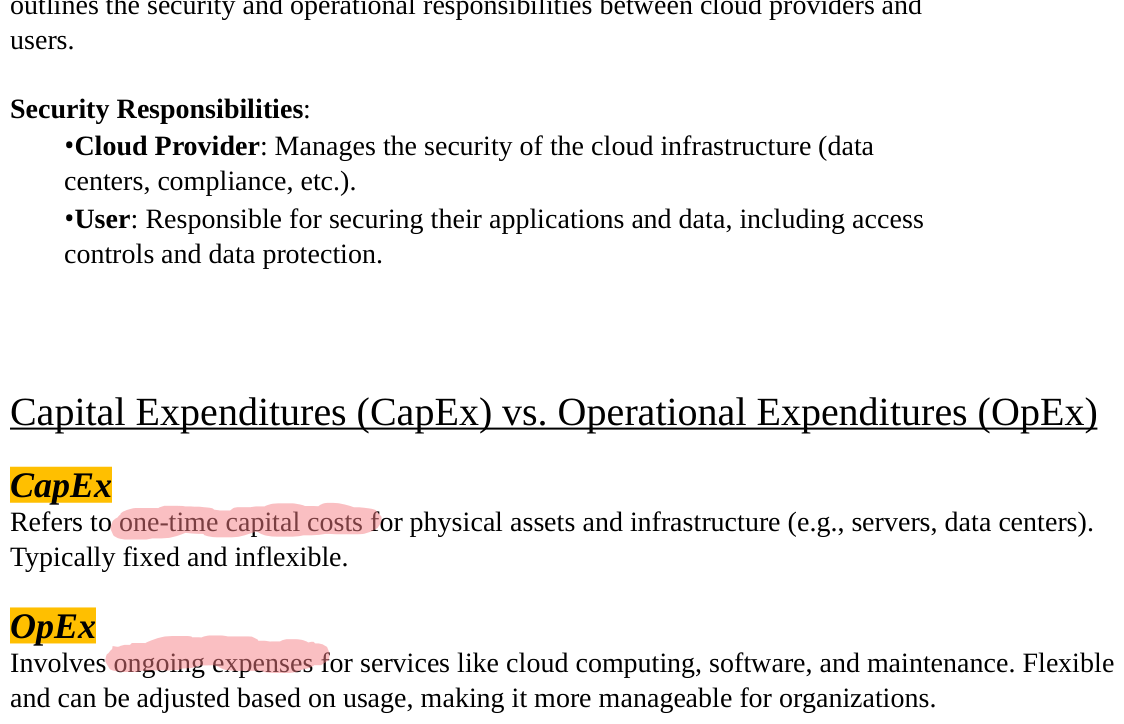
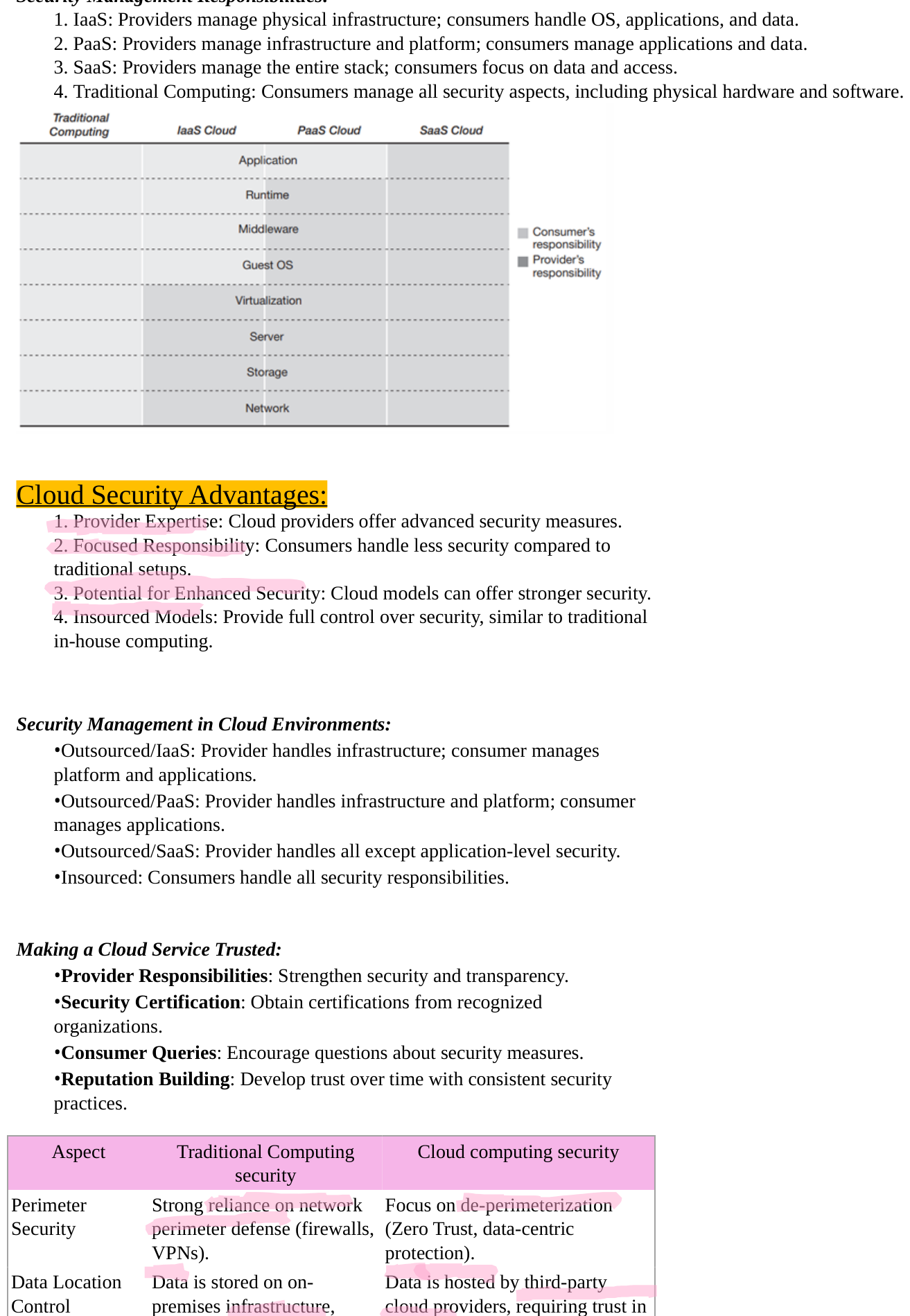
What are the key differences between the roles and responsibilities of cloud providers and users in the shared responsibility model2021? How does this model affect security management across different cloud service types (IaaS, PaaS, SaaS)22?
Explain the significance of the NIST cloud computing model2324. How do its five essential characteristics and three service models provide a framework for understanding cloud computing2526?

How does the Cloud Cube Model help in evaluating cloud security challenges27? What are its dimensions, and how can they be used to analyze different cloud configurations28?
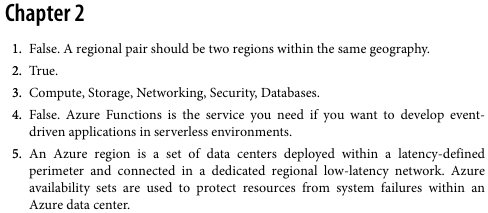

Describe the purpose of Azure geographies, regions, and availability zones29. How do they contribute to data residency, high availability, and fault tolerance3031323334?
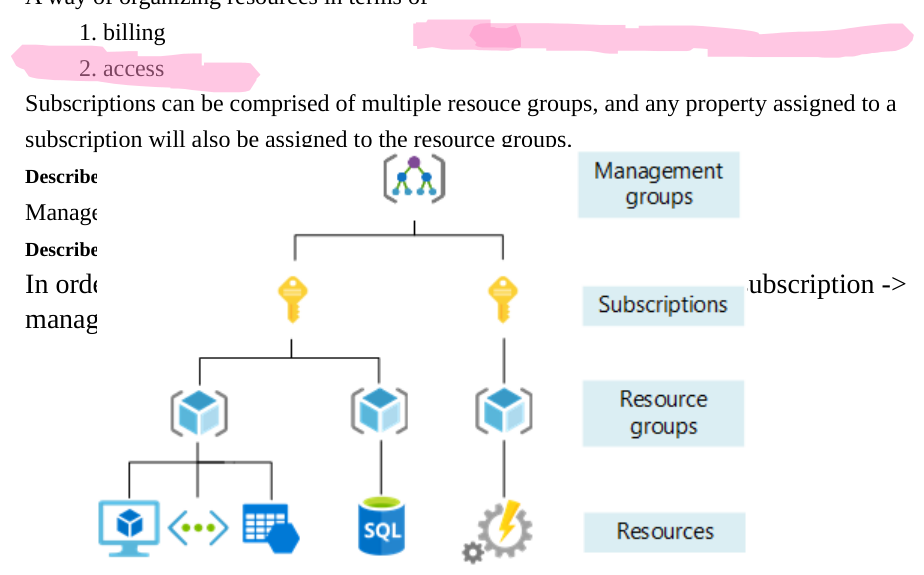
What are Azure Management Groups, subscriptions, and resource groups353637? How do they contribute to the overall management and organization of Azure resources?
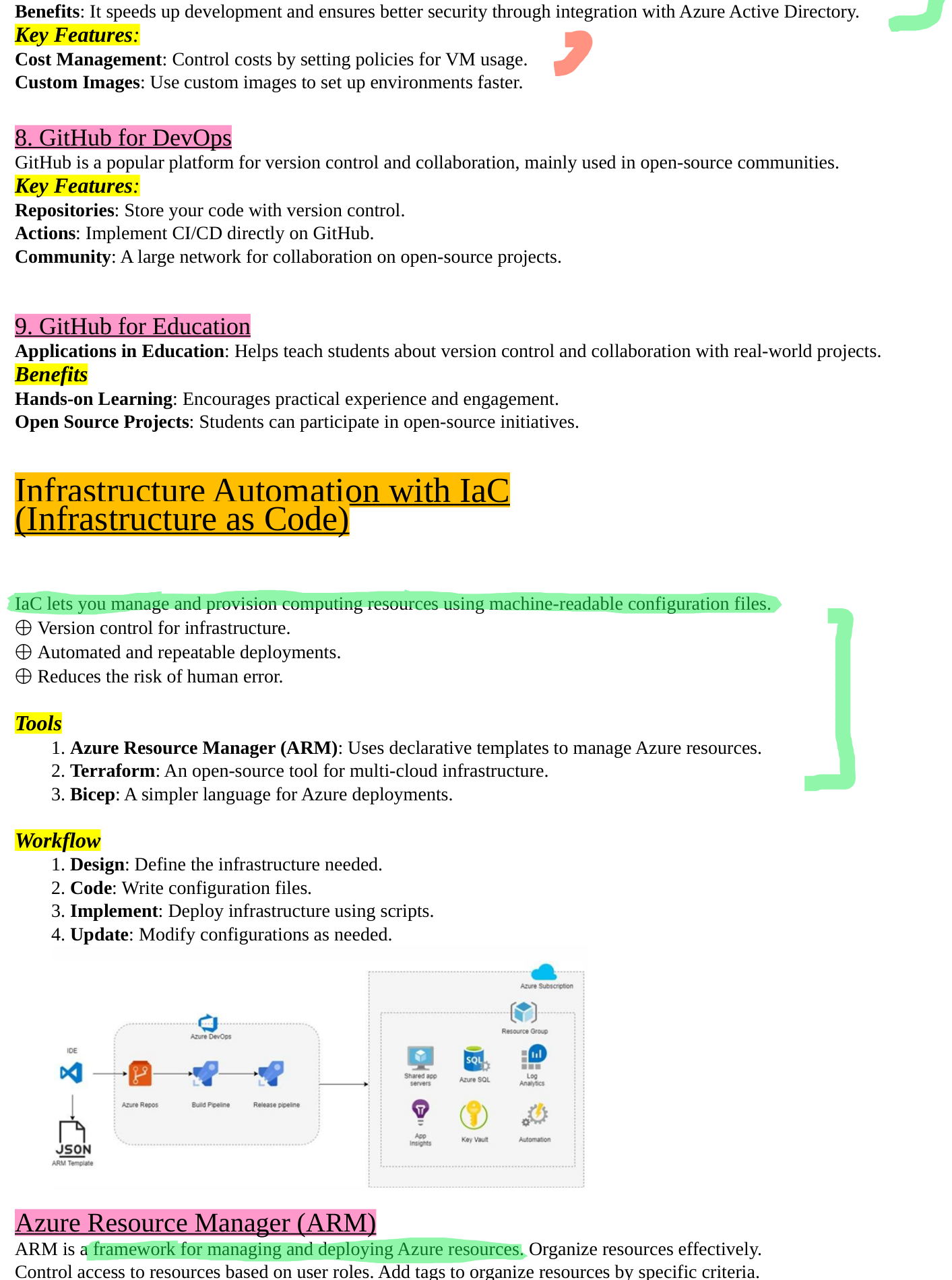
Explain the functionality of Azure Resource Manager (ARM)2938. How does it facilitate infrastructure as code (IaC) and automated deployments?
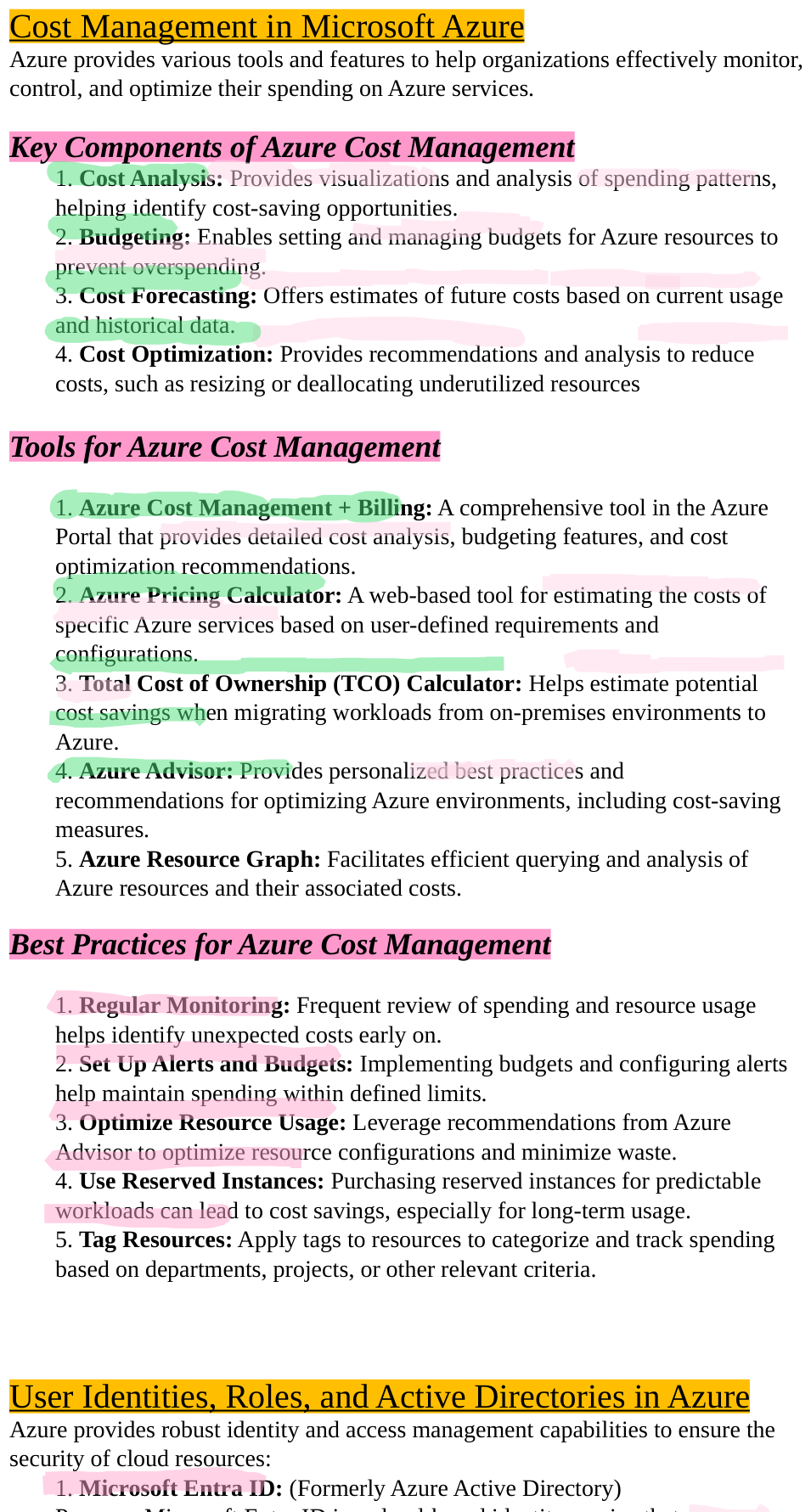
Discuss the key components of Azure Cost Management39. How can organizations effectively use tools such as Cost Analysis, Budgeting, Cost Forecasting, and Cost Optimization to manage their Azure spending394041?
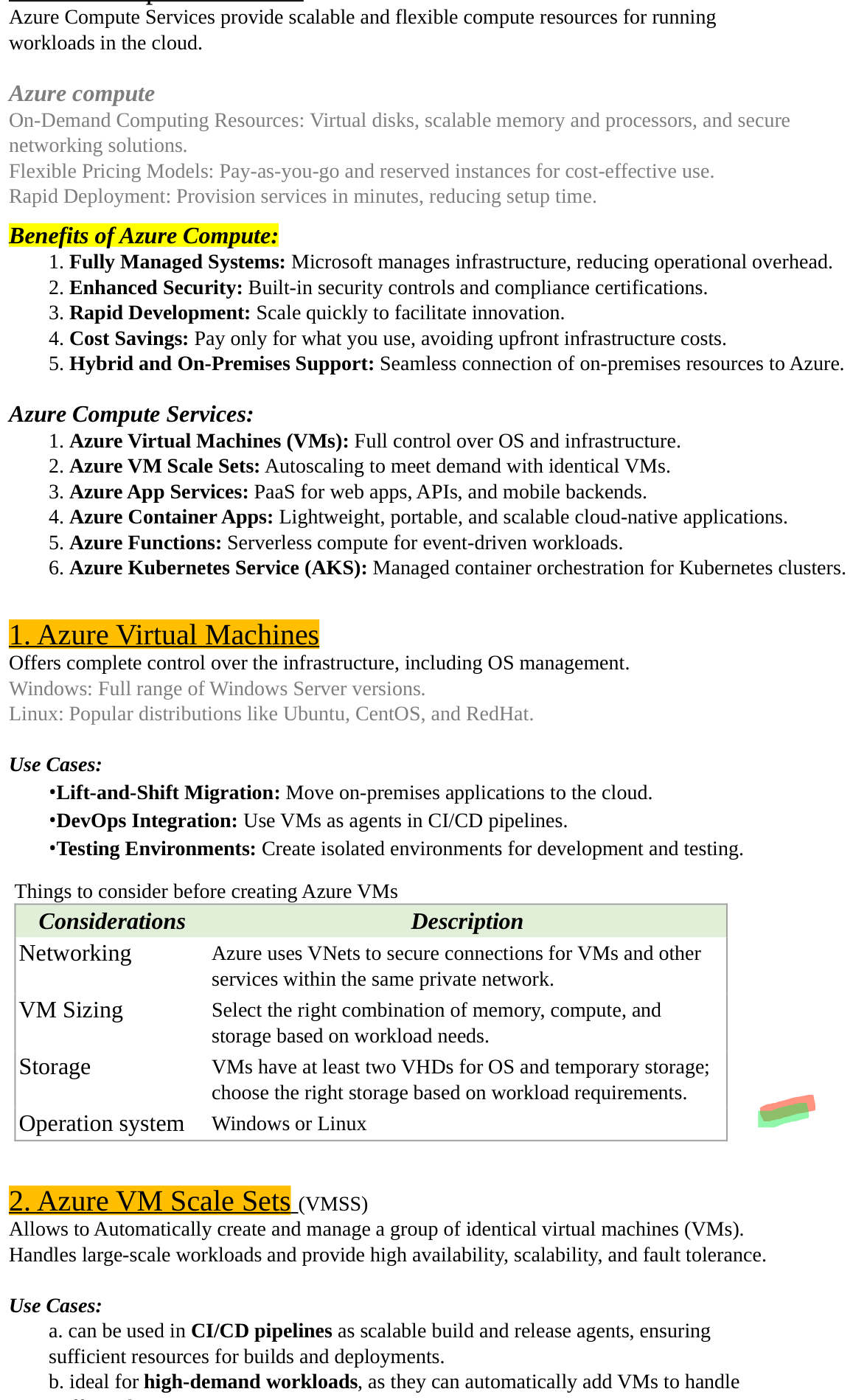
Compare and contrast the different Azure compute services: Virtual Machines, App Services, and Functions4243. When would you choose one over the others for specific use cases?
Discuss the benefits of serverless computing and how Azure Functions realizes this model4445464748. What role do triggers and bindings play in Azure Functions4849?
Explain the purpose of Azure Durable Functions50. How do orchestrator, activity, client, and entity functions work together to create stateful workflows5152535455?
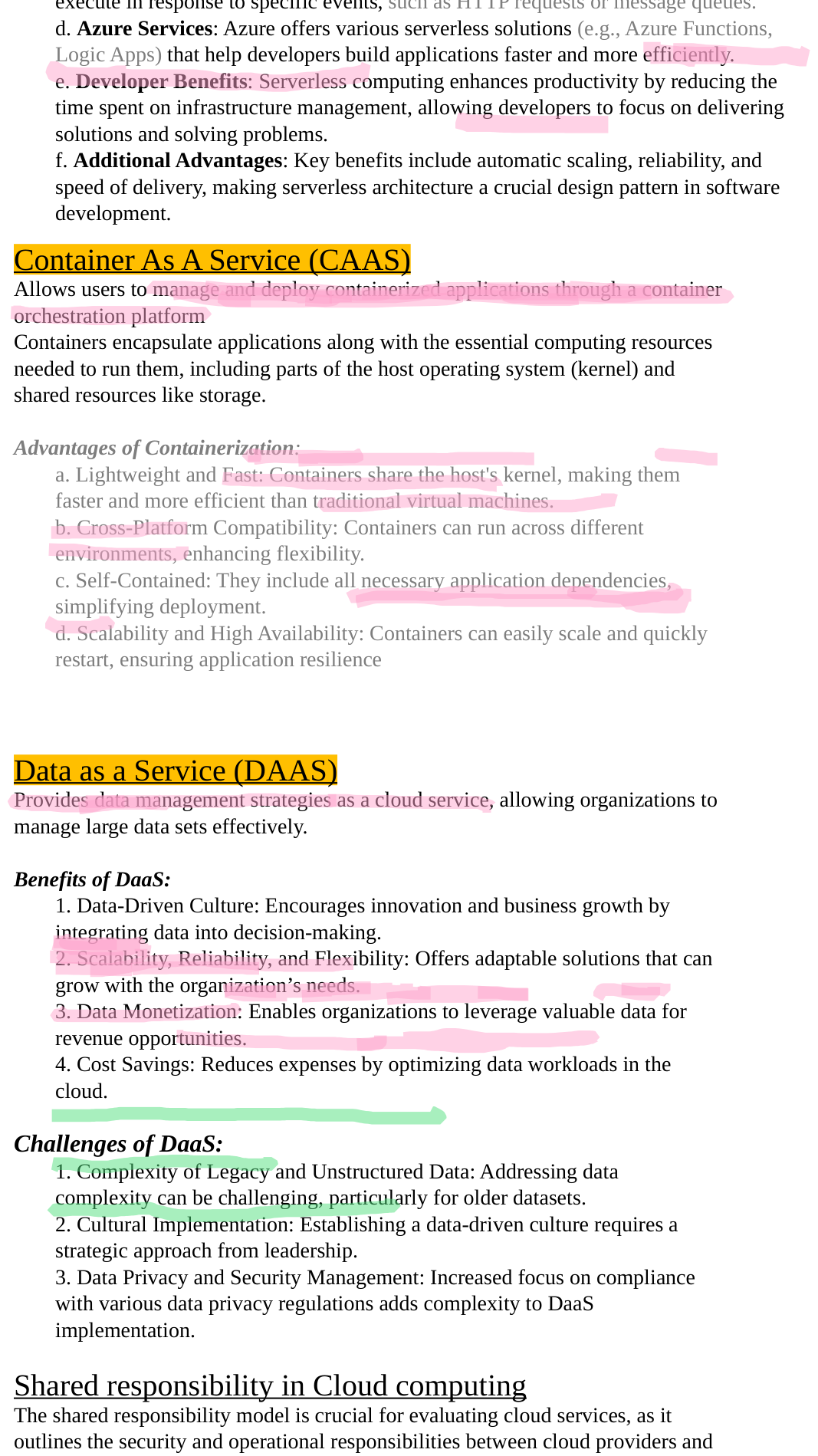
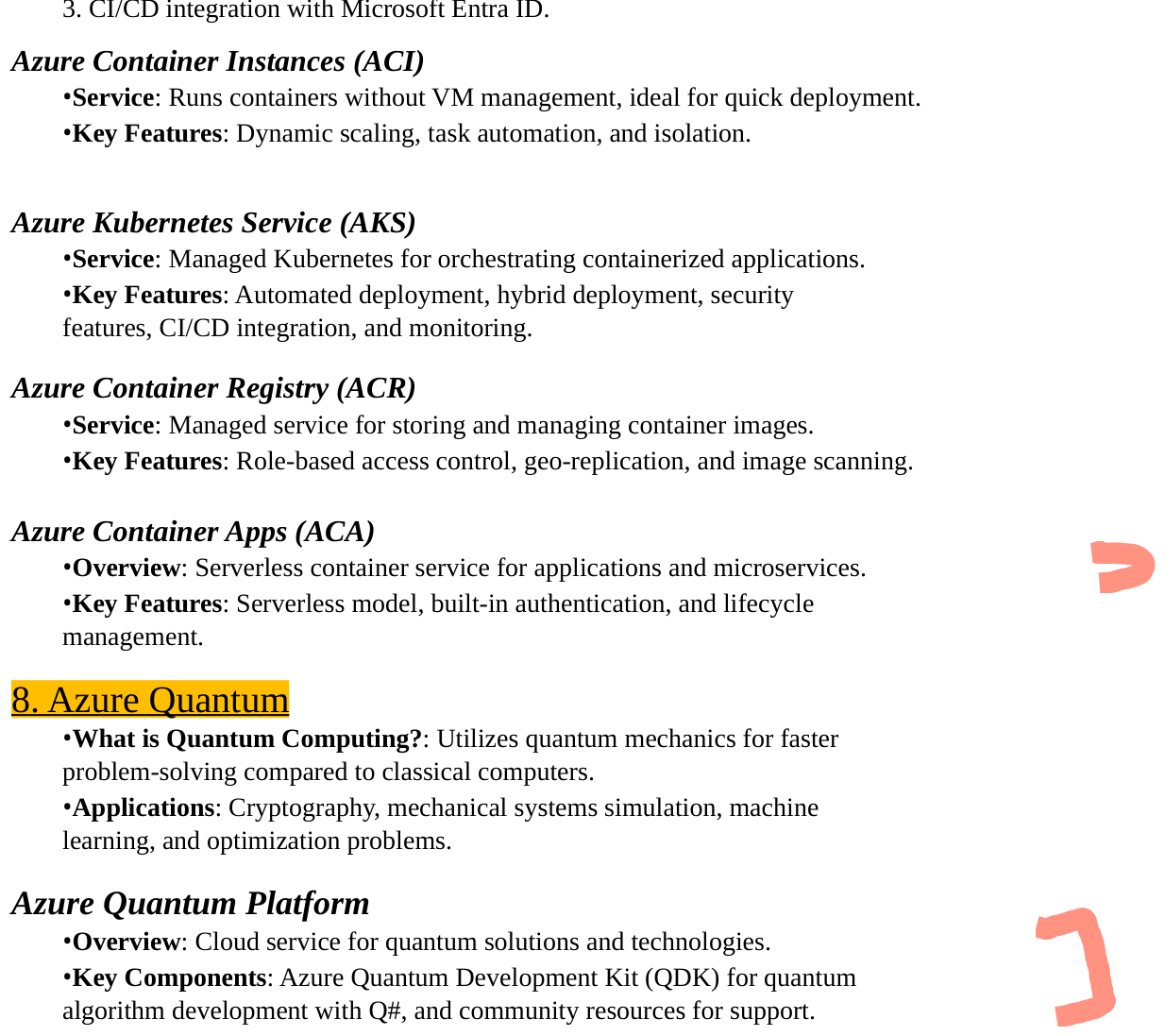
How do Azure Container Instances (ACI) and Azure Kubernetes Service (AKS) differ in their approach to container management5657? When is ACI or AKS the more suitable option?
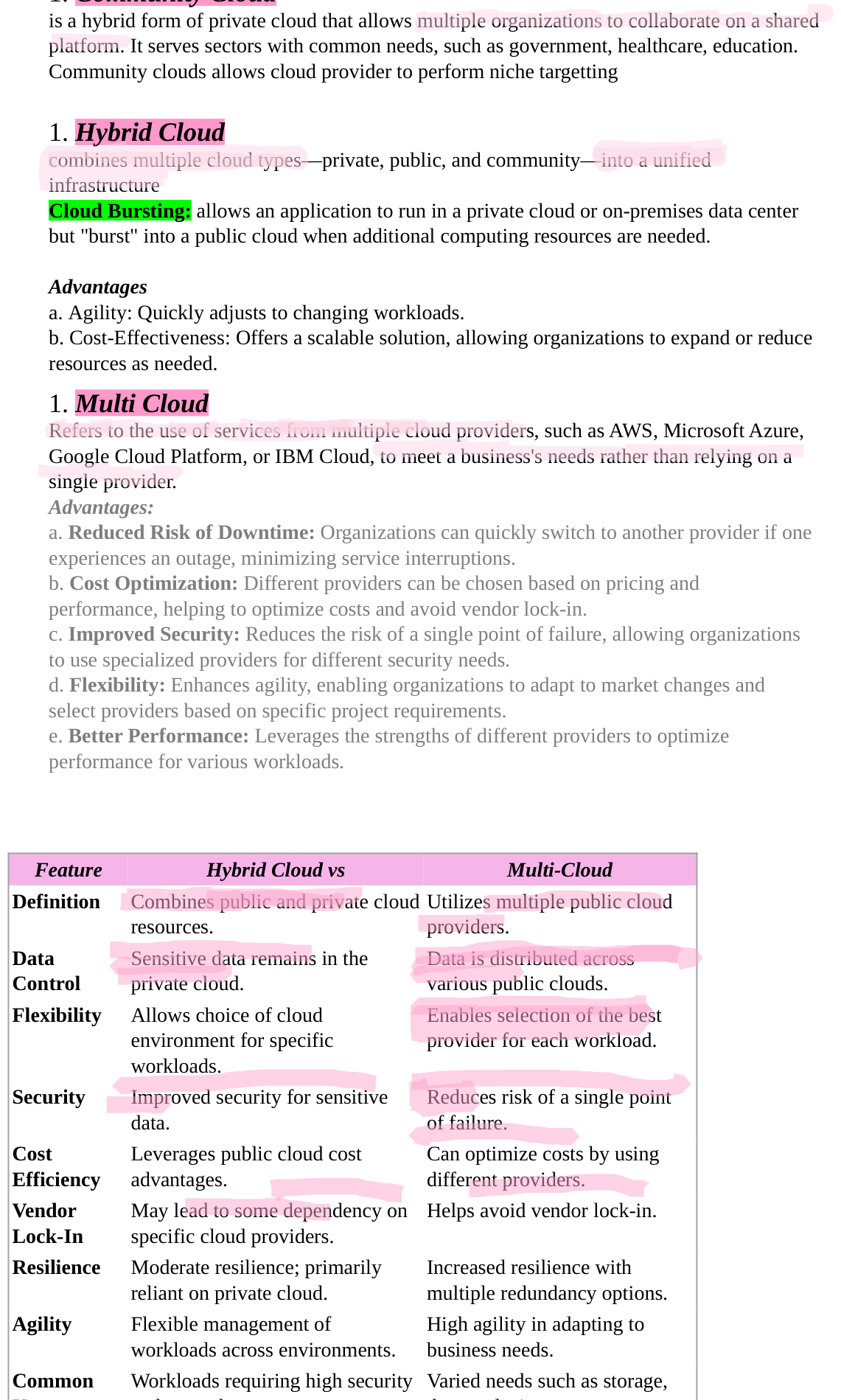
Compare and contrast the four cloud deployment models: public, private, community, and hybrid26585960.... What are their key characteristics, advantages, and disadvantages?
Explain the three cloud service models: Infrastructure as a Service (IaaS), Platform as a Service (PaaS), and Software as a Service (SaaS)26656667. Provide examples of each and outline their component stacks.
What is the SPI model68? How does it layer the different service models together?
Differentiate between Software-as-a-Service (SaaS) and Application Service Providers (ASP)6970. What are the key advantages of SaaS compared to traditional models?
What is the "Cloud Security Alliance (CSA)"71? How does it contribute to cloud security frameworks and guidelines72?
Discuss the different types of cloud security policies: management, regulatory, advisory, and informative7374. How do these contribute to a comprehensive cloud security strategy?
What are some of the key concerns around cloud security7576? How can organizations address challenges related to privileged user access, regulatory compliance, and data location777879?
Describe the concept of "trusted cloud computing"7480. What are the main challenges to achieving it, and how can they be addressed81?
Azure fundamentals
Microsoft azure fundamentals




Compute, virtual machines, and App Service
The service model sets the responsibilities. Compute choices determine how the application actually runs.
Compute services and configuration
- Microsoft Azure
- Azure portal
- Azure VMs
New
- Azure app services


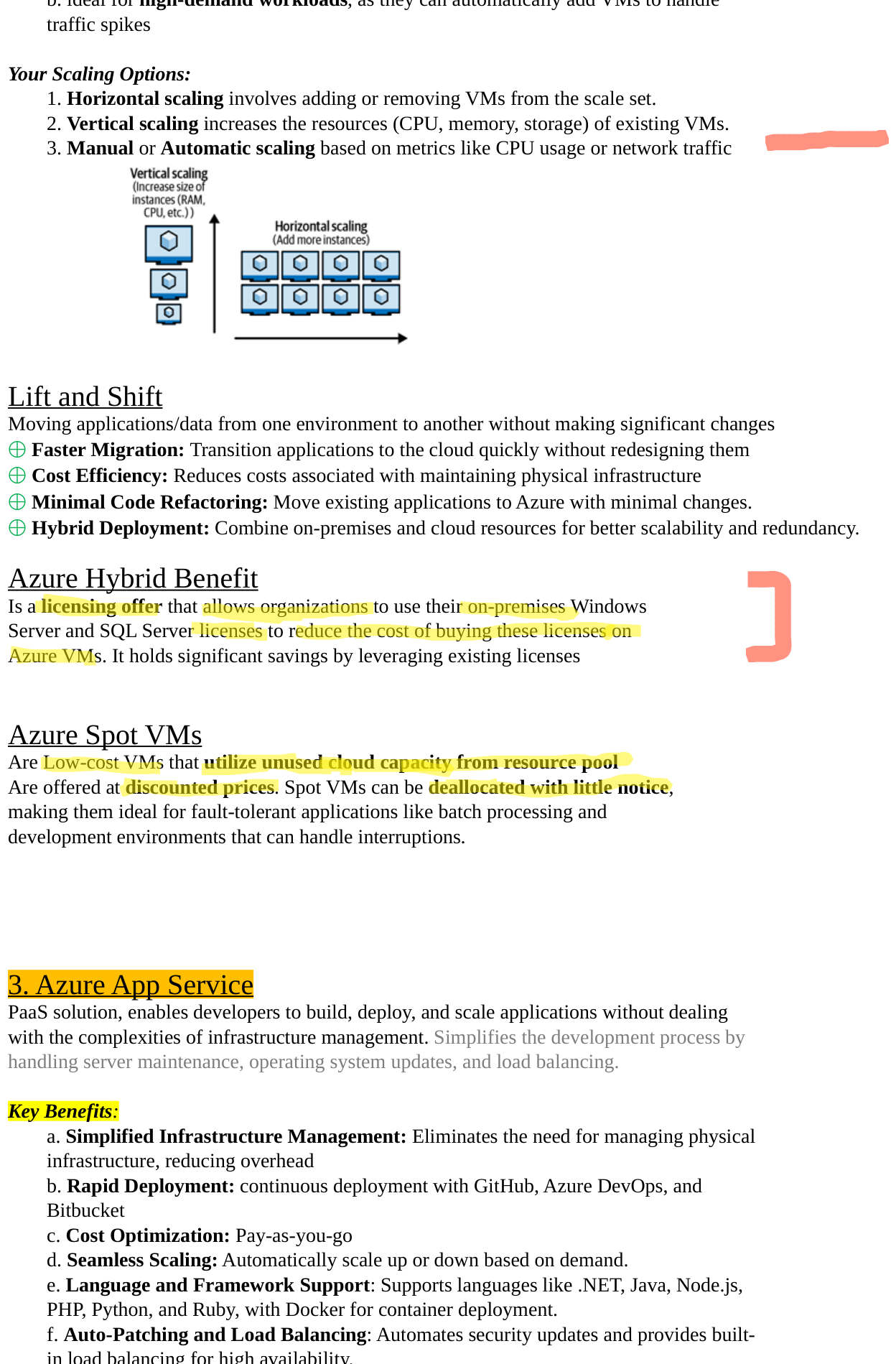
Configuring App Service Plan and Scaling Options
- The App Service Plan determines the hosting region, pricing tier, performance, and scaling options, which are crucial for app performance and cost-effectiveness.
Popular cloud services
Popular Cloud services
Cloud Computing as a Utility: Treating cloud resources—like computing power, storage, and networking—as a utility service, similar to electricity or water.
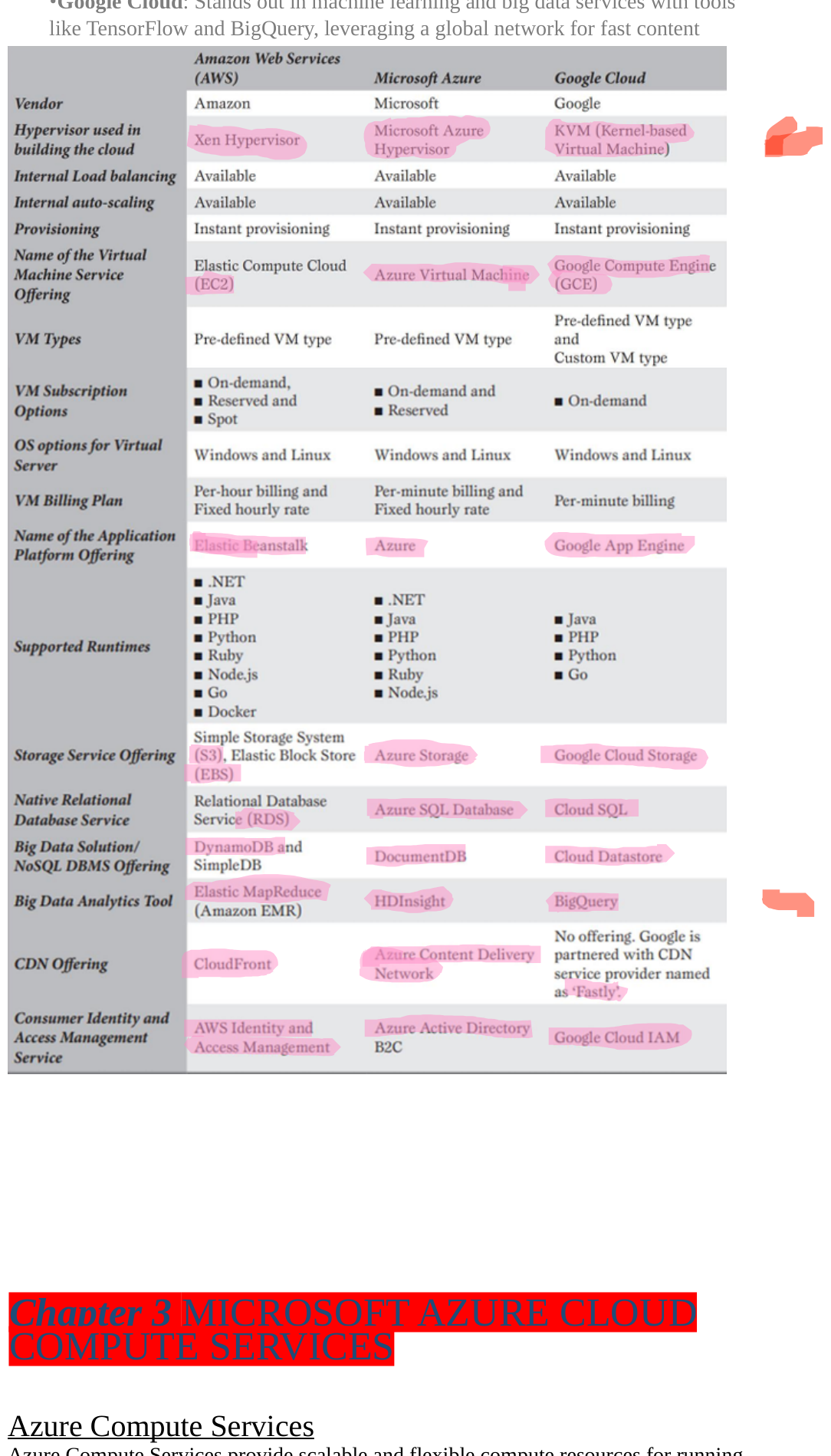
Amazon Web Services (AWS)
AWS is a leading provider of IaaS, built on Service-Oriented Architecture (SOA) standards using open-source operating systems and application servers.
Key Offerings:
- Compute: EC2
- Storage: S3 and Elastic Block Store (EBS)
- Database: RDS, DynamoDB, SimpleDB
- Networking: CloudFront (CDN)
AWS Elastic Compute Cloud (EC2): Provides Virtual servers that run on the Xen hypervisor and support multiple operating systems (Windows, Linux).



Virtualization
Resource virtualization
Virtualization
Virtualization simulates physical computing resources, allowing multiple VMs to operate on a single set of physical resources. It enhances resource utilization, security, and provides abstraction.
The hypervisor manages and creates virtualized resources.



Networking and storage
Microsoft azure cloud networking
Azure Cloud Networking
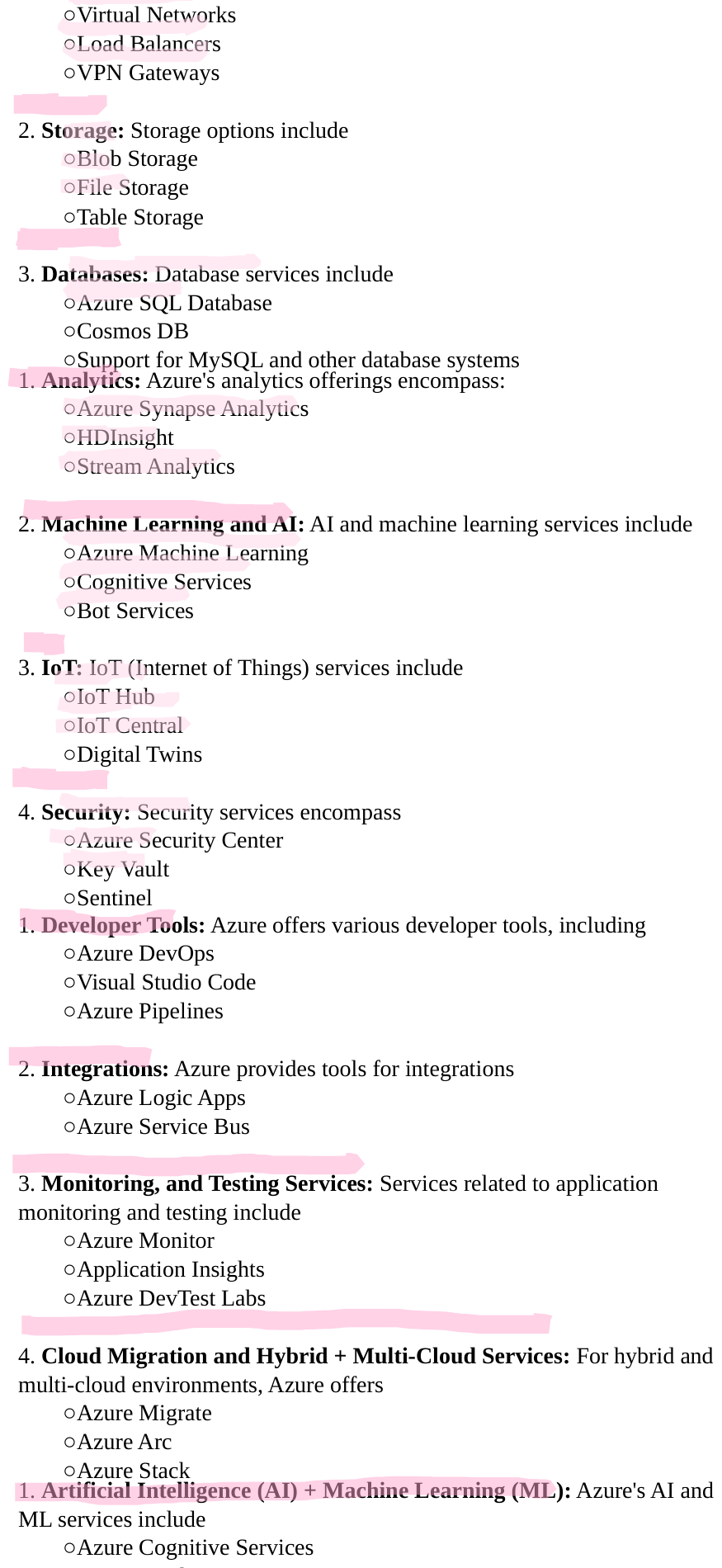
Azure Networking offers managed, scalable services for connecting on-premises data centers to the cloud, building secure virtual networks, managing network traffic, and protecting applications against DDoS attacks. It enables secure remote access, global routing, and includes monitoring and security features.
Categories of Azure Networking Services:
- Connectivity Services:
are Networking resources to create and build connectivity related solutions in the cloud e.g. Azure Vnet, ExpressRoute, Virtual WAN, Virtual Network NAT Gateway, Vnet peering service, VPN Gateway, Azure Bastion and Azure DNS
Purpose:
simplifies building, securing and managing network infrastructure
Connect applications, Scales up/down
Connect on-premises resources to cloud
- App Protection Services:
are Networking resources will help secure your apps in Azure. e.g. Azure Load Balancer, Firewall, VNet Endpoints, Private Link, and DDoS protection. - App Delivery Services:
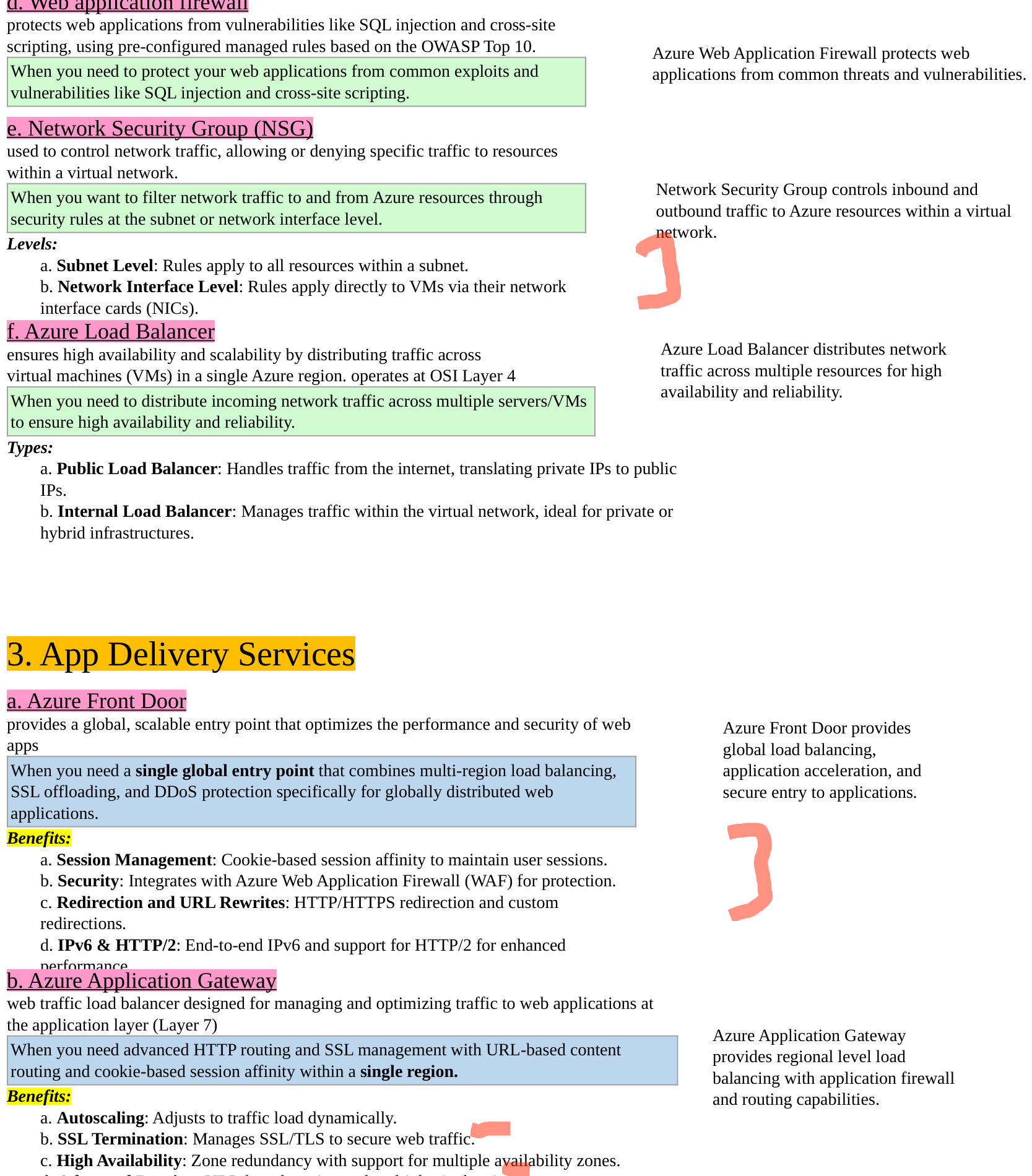
ideal in use cases involving application delivery. e.g.
Azure CDN: Optimizes content directory,
Azure Front Door: Provides global web traffic routing
Azure Traffic Manager: Balances traffic across Azure regions.
Application Gateway: Enhances application delivery efficiency.
- Network Monitoring Services:
Monitor your network resources e.g.
Network Watcher: Provides diagnostics for network performance.
ExpressRoute Monitor: Monitors connections made through ExpressRoute.
Azure Monitor: Offers comprehensive monitoring for all Azure resources.
VNet Terminal Access Point: Facilitates access to network traffic for detailed analysis.
1. Connectivity Services
a. Azure Virtual Networks
enables users to create isolated, private networks within the Azure cloud environment
| When you need isolated and secure network environment for your Azure resources like VMs, databases, and web apps. |




Global distribution & Replication:
- Elastic Global Scale: Enables multi-region replication for low-latency global access.
- Automatic Region Management: Manages region changes without interrupting applications, enabling multi-region writes for high availability.


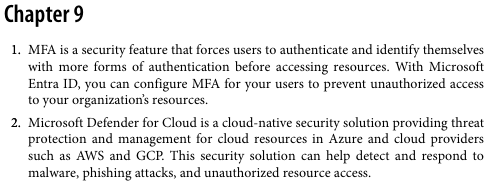


AI services, IoT, and maps
Artificial intelligence, machine learning, and cognitive services in azure


Power BI: A visualization tool with embedding options (HTML iframe, REST APIs) for custom visuals, supporting easy data sharing and insights.
Real-World Use Cases of azure Big Data Services:
- Retail: Customer behavior analysis and inventory management.
- IoT: Predictive maintenance and operational efficiency.
- Healthcare: Patient monitoring and outcome improvement.
- Finance: Real-time fraud detection and risk assessment.
Cloud iot and maps services
IOT
IoT is a network of interconnected physical devices that communicate and share data over the internet. Became widespread in the 2010s.
Enables smart automation, connectivity, and scalability.
Applications in Smart homes, Healthcare, Smart cities, Agriculture
Components include sensors/devices, connectivity, data processing, UI to collect, transmit, analyze, and interact with data.
Challenges include security, privacy, design complexity
⨁ Automation and Control
⨁ Reduced waste
⊖ Security Risks, privacy concerns

Azure IOT
Platform that enables users to connect, monitor, and manage billions of IoT devices with a focus on security, performance, and data analytics.
Components
- Things: Physical devices connected to the cloud
- Insights: Data collected from devices, analyzed for actionable knowledge
- Actions: Users applying insights to business operations or tools

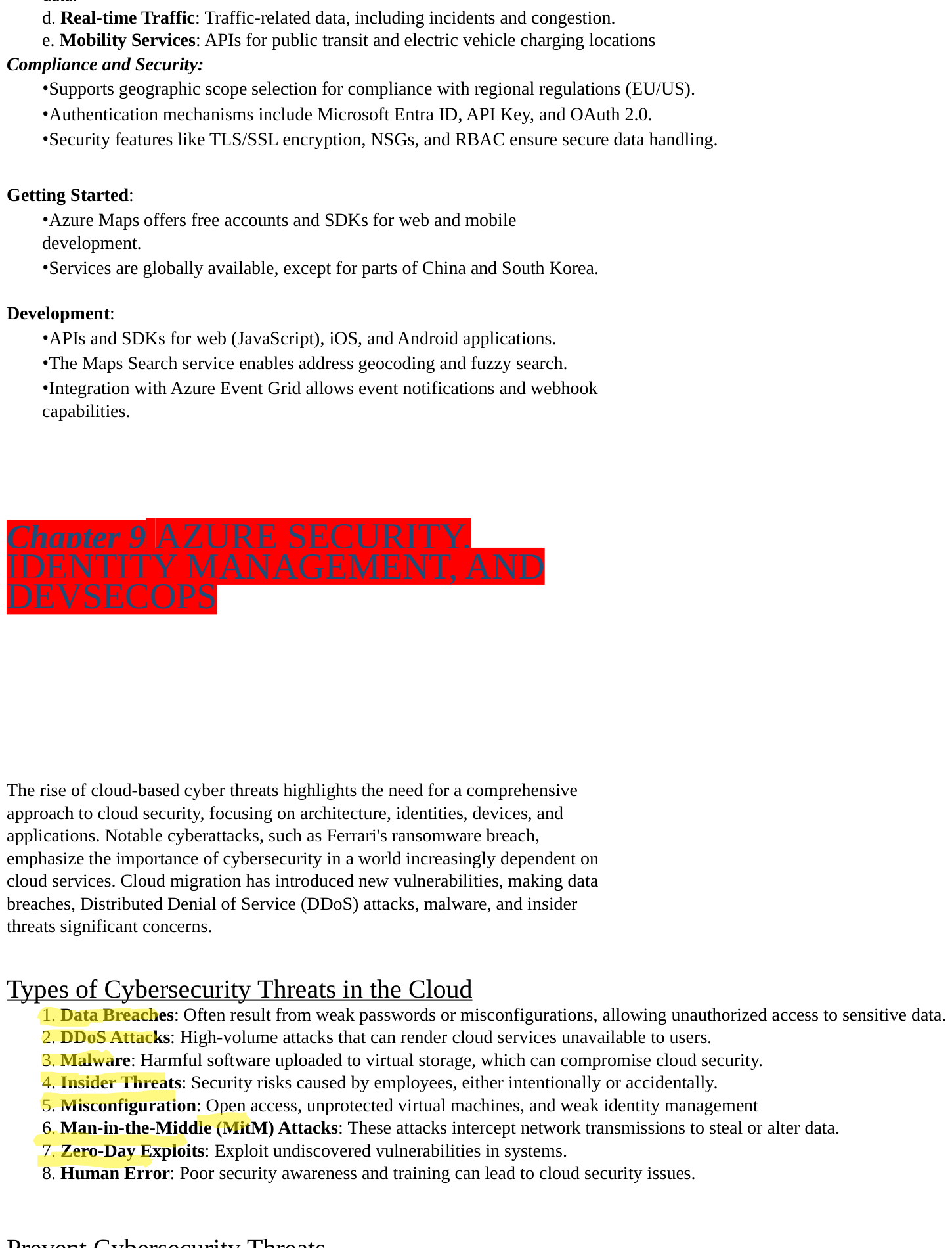

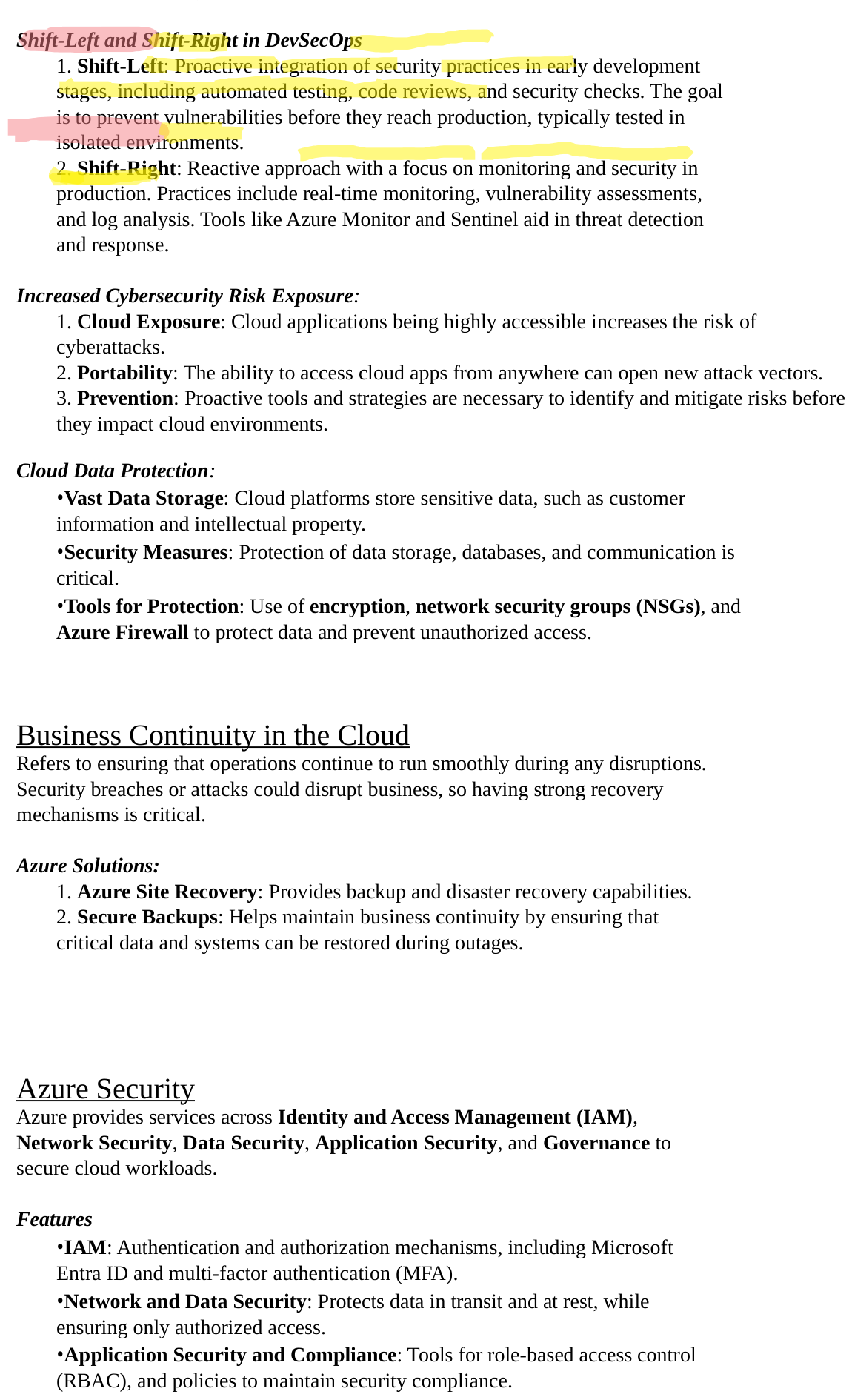


DevSecOps Practices
Embedding security practices from the start (shift-left security).
Key Practices:
- Automation: Automate security checks and integrate tools like Azure Security Center and Microsoft Defender.
- Continuous Testing & Monitoring: Implement regular security testing throughout development.
- Infrastructure as Code (IaC): Use tools like ARM templates and Terraform to ensure secure and consistent infrastructure deployment.
Connecting services
As the system grows, the connections between its services become as important as the individual components.
Azure cloud integration services and tools

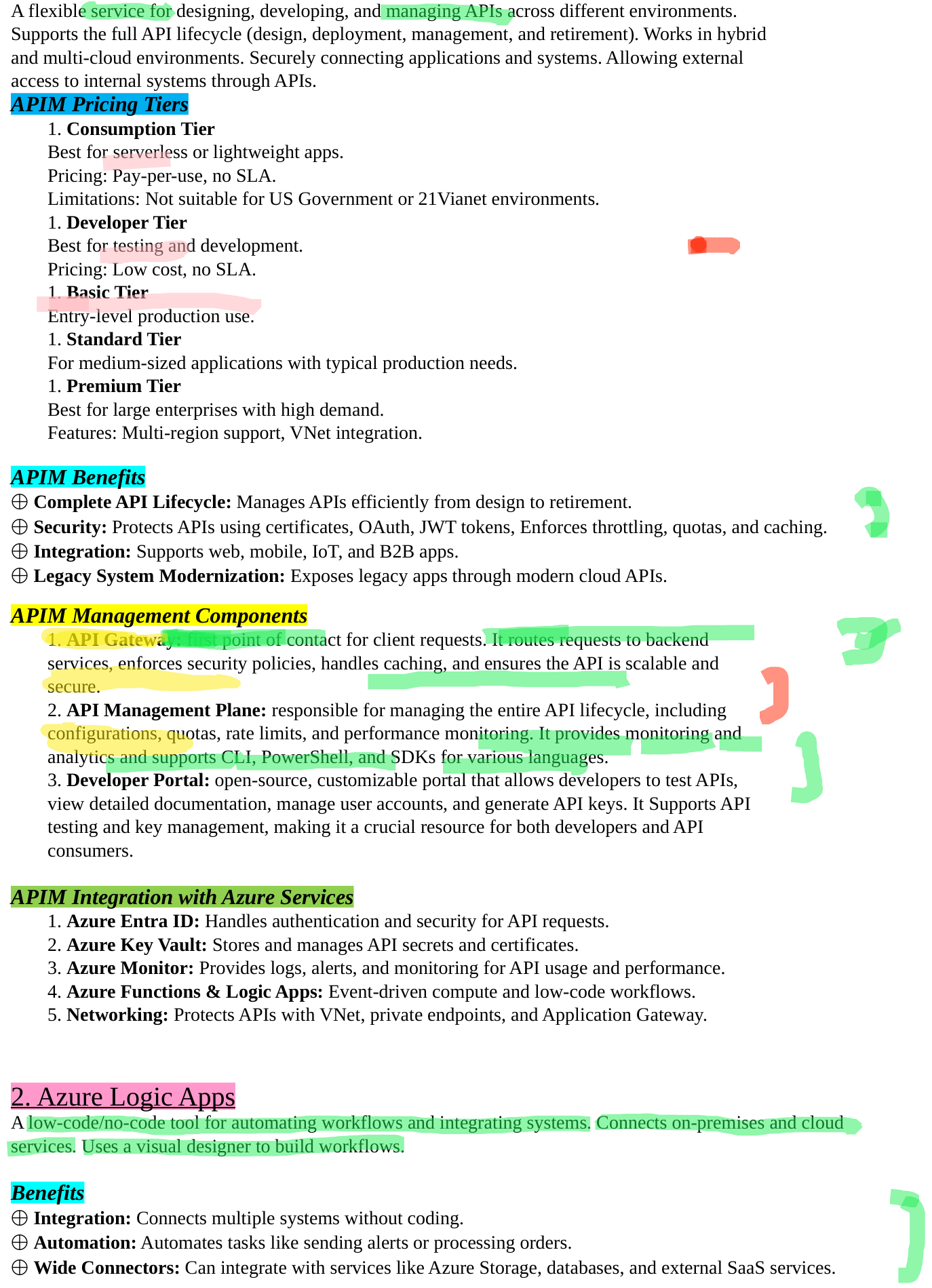


Action: Subscribers processes the event
Integration with Azure Services
- Web PubSub and Event Grid integrates easily
- Real-Time messaging and event-driven architectures can enhance serverless apps
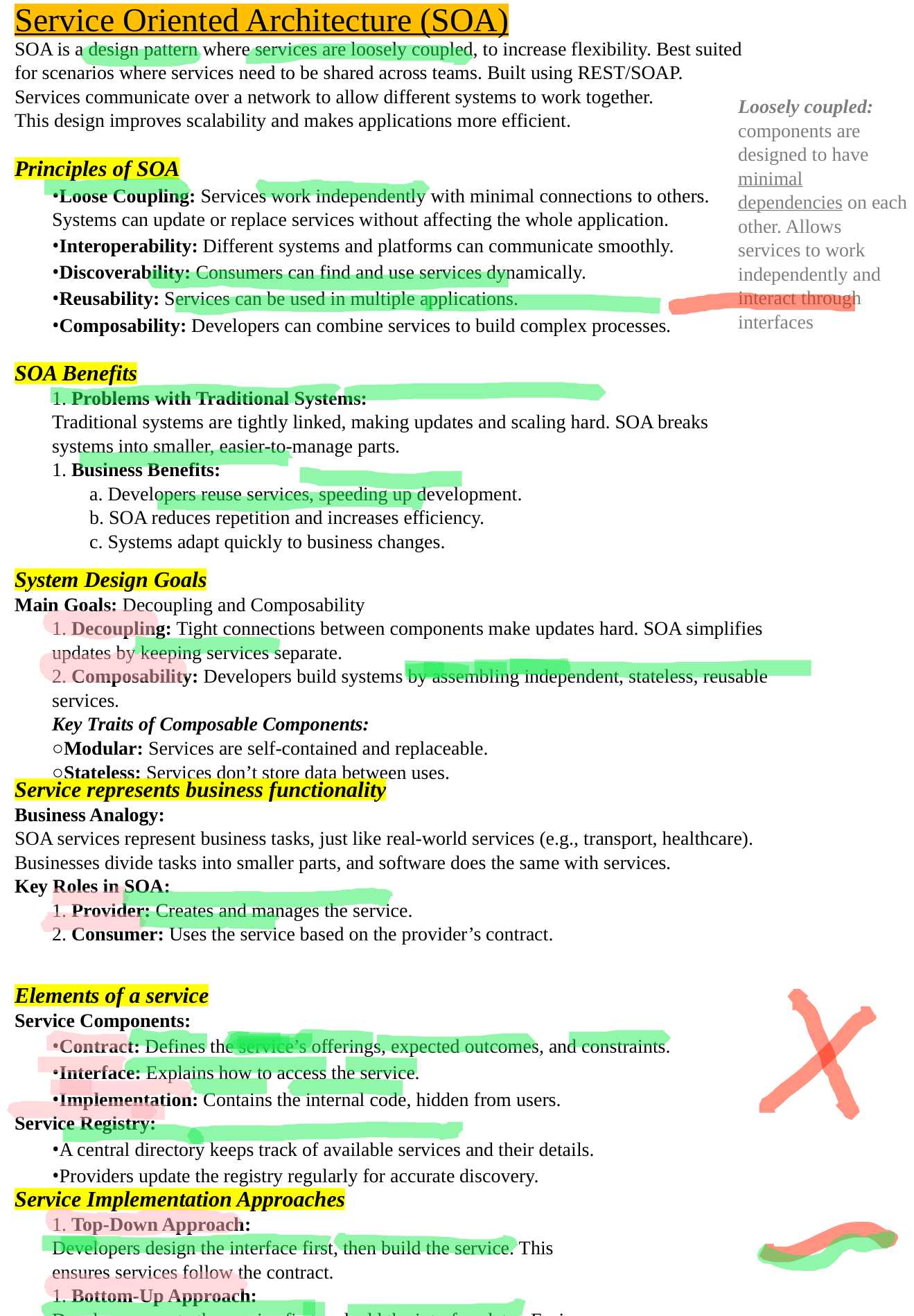
Service oriented architecture


Operations, monitoring, and cost
Cloud infrastructure, devops, and monitoring in azure




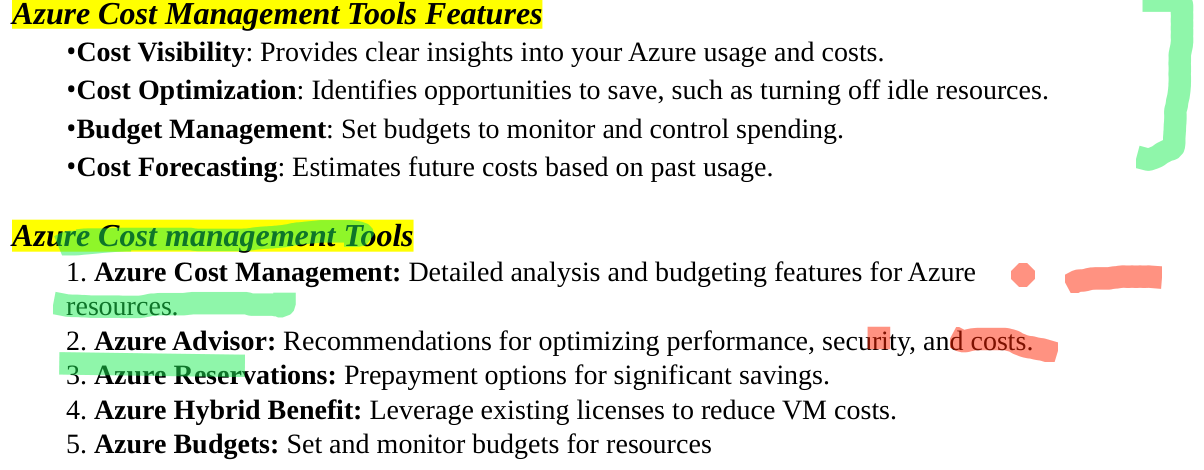
Best Practices for Azure Cost Management
- Understand usage patterns to spot savings.
- Use Azure Cost Management to track resources.
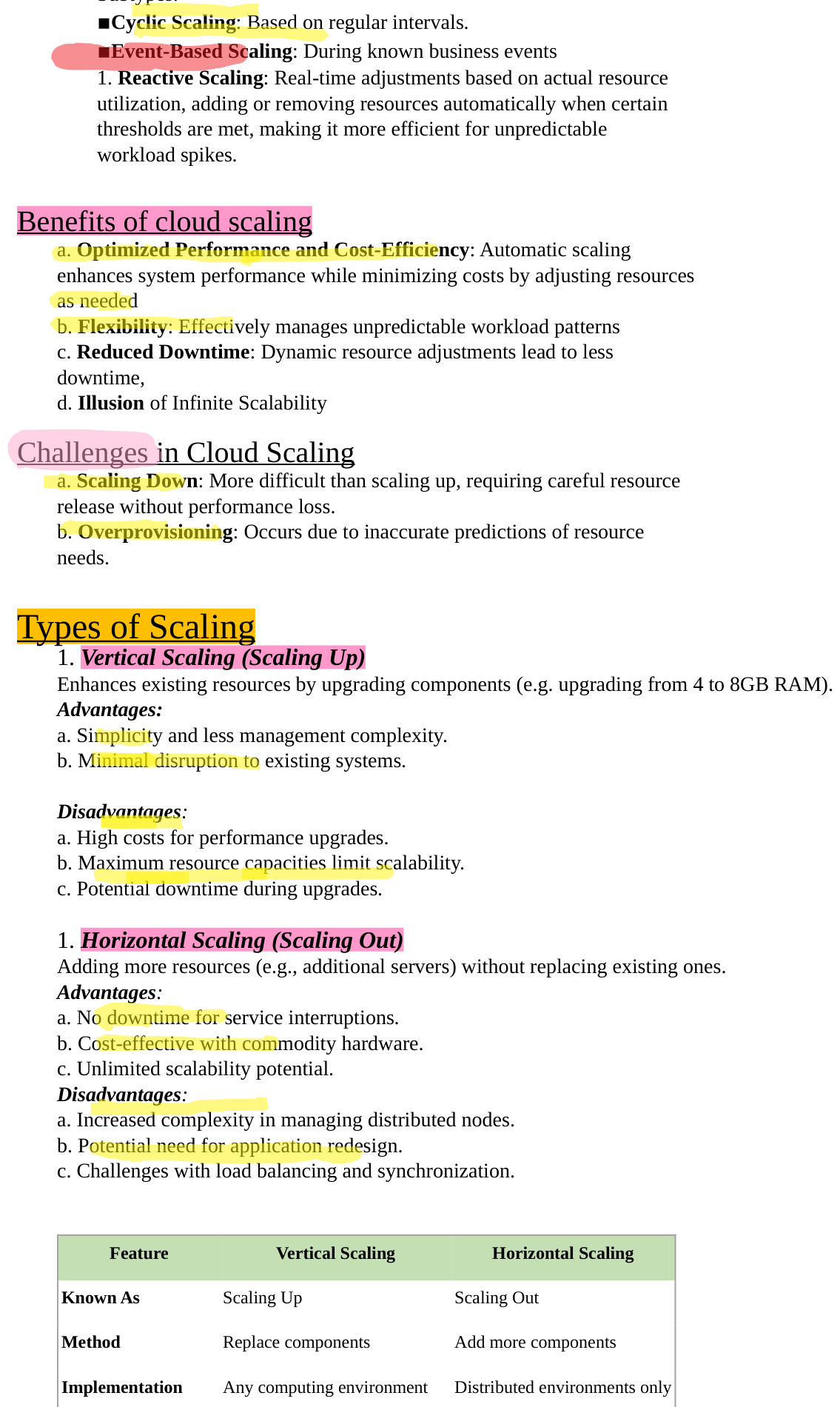
- Use reserved instances and autoscaling to optimize costs.
- Monitor and optimize storage costs.
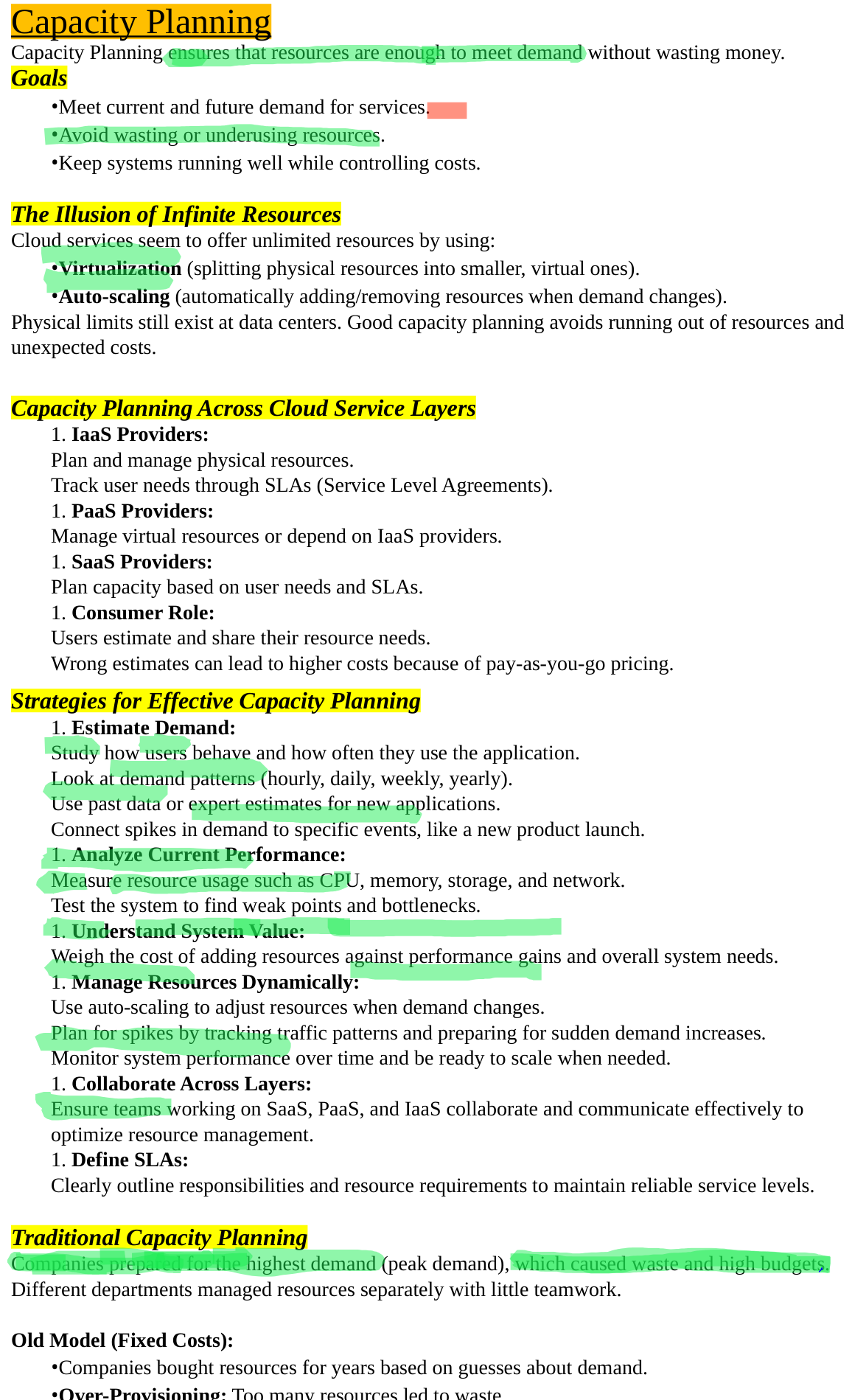
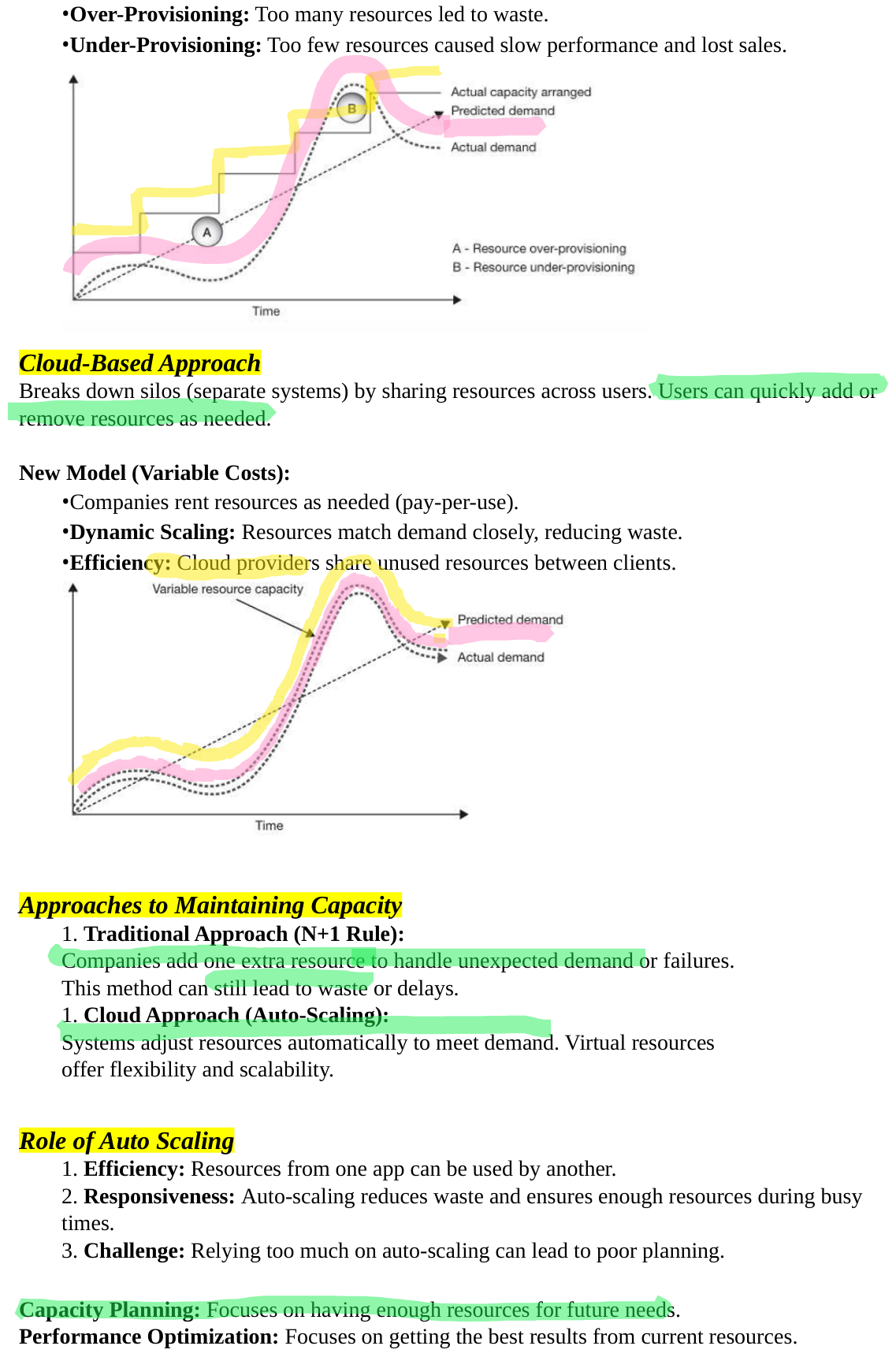
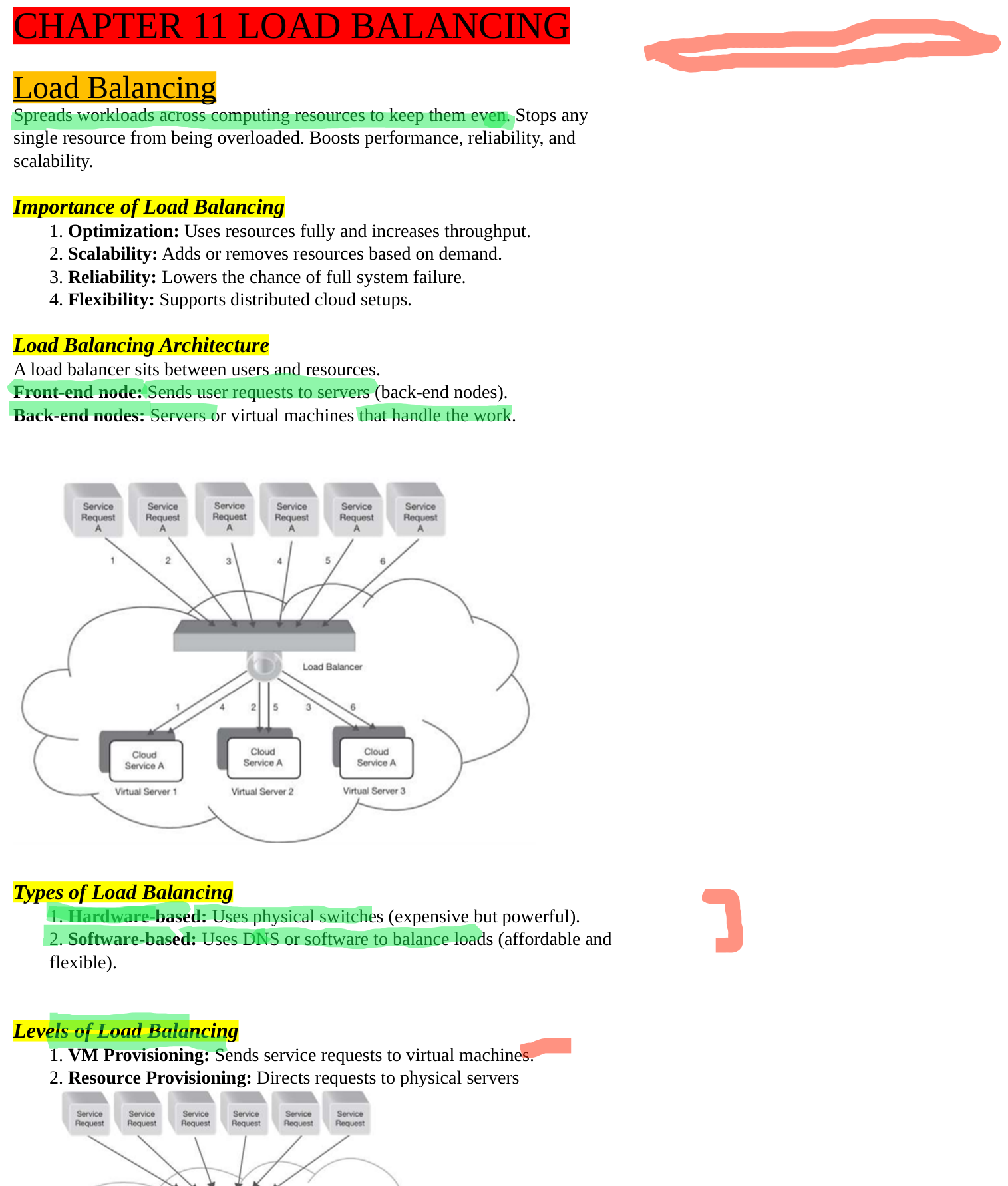
Capacity planning

Scheduling and database queries
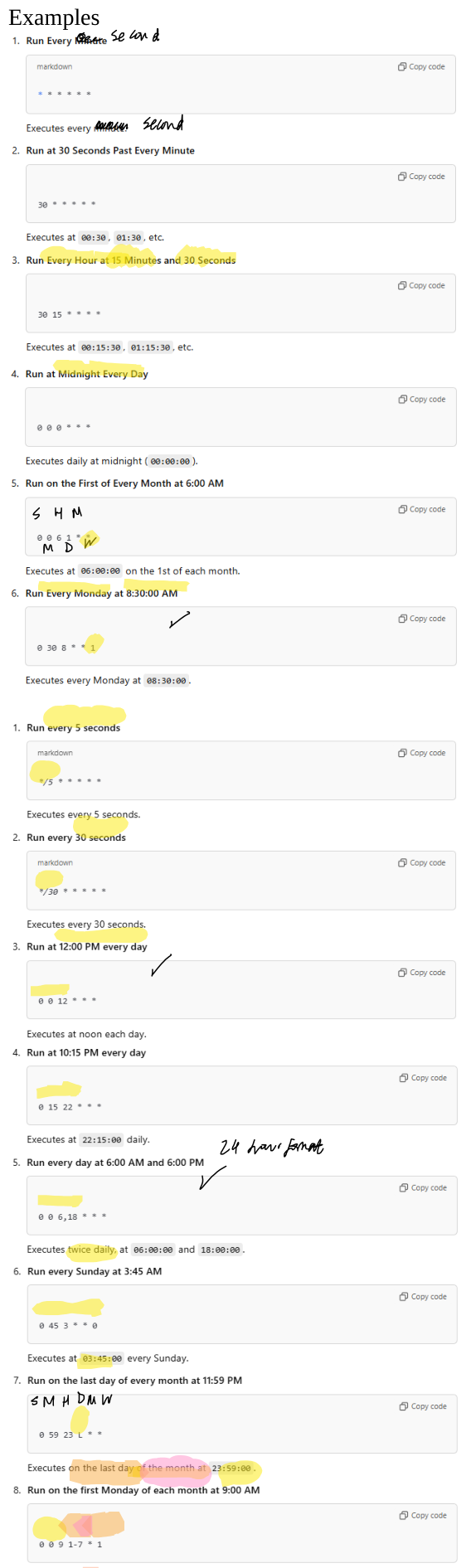
<seconds> <minutes> <hours> <day of month> <month> <day of week>
0-59
0-59
0-23
1-31
1-12
1-7
| Special Characters | Description |
| * | Any value |
| - | range |
| , | Separate multiple values |
| / | Increments of values |
| ? | No specific value |


Architecture examples


Service reference


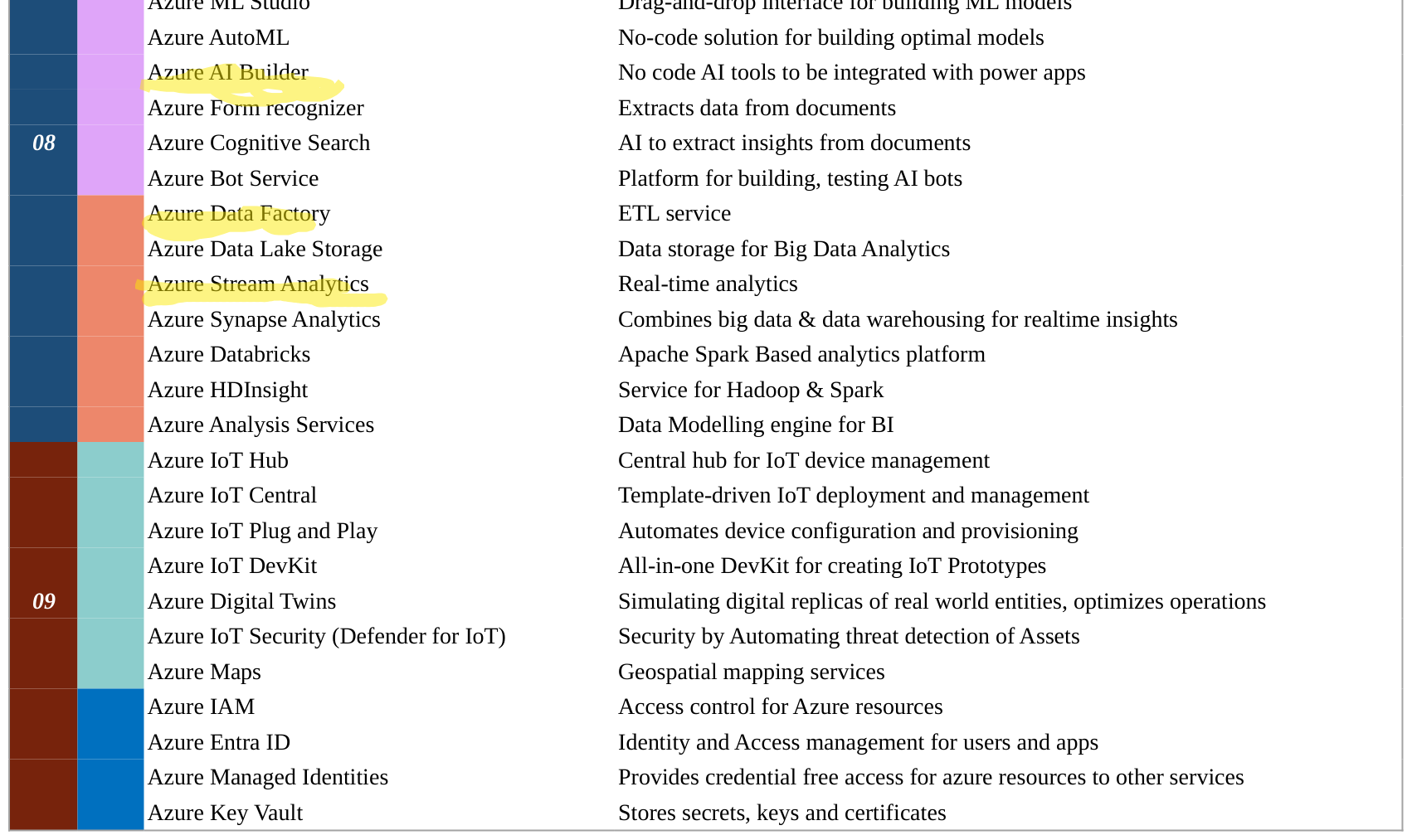
AZ-900 reference material
External AZ-900 reference material.